Get Residential Pest Control
Residential pest control services help property owners eliminate and prevent pests like insects and rodents through treatments and inspections handled by local contractors.
Residents seeking effective solutions for pest issues are in the right place. Property owners in the area often explore residential pest control services to protect their homes from common pests such as ants, spiders, rodents, and more. Whether preparing for seasonal changes or addressing ongoing concerns, comparing local contractors can help identify options that suit specific needs and preferences. This page provides a resource to discover qualified service providers who can assist with planning and implementing pest management strategies.
Continuing to explore local options allows homeowners to connect with experienced service providers familiar with the unique pest challenges of the area. By reviewing available professionals, property owners can gather information to make informed decisions about pest control solutions that fit their property and lifestyle. Keep reading to learn more about how local contractors can help maintain a pest-free home environment.
- Ant Pest Control - when ants invade kitchens, bathrooms, or entire homes seeking food and shelter.
- Rodent Extermination - if mice or rats have been spotted or are suspected inside living or storage areas.
- Termite Treatment - in cases of visible termite damage or signs of subterranean activity around the property.
- Spider Removal - when webs, sightings, or bites indicate a spider presence inside or around the residence.
- Bed Bug Elimination - after experiencing bites or discovering signs of bed bugs in bedding, furniture, or luggage.
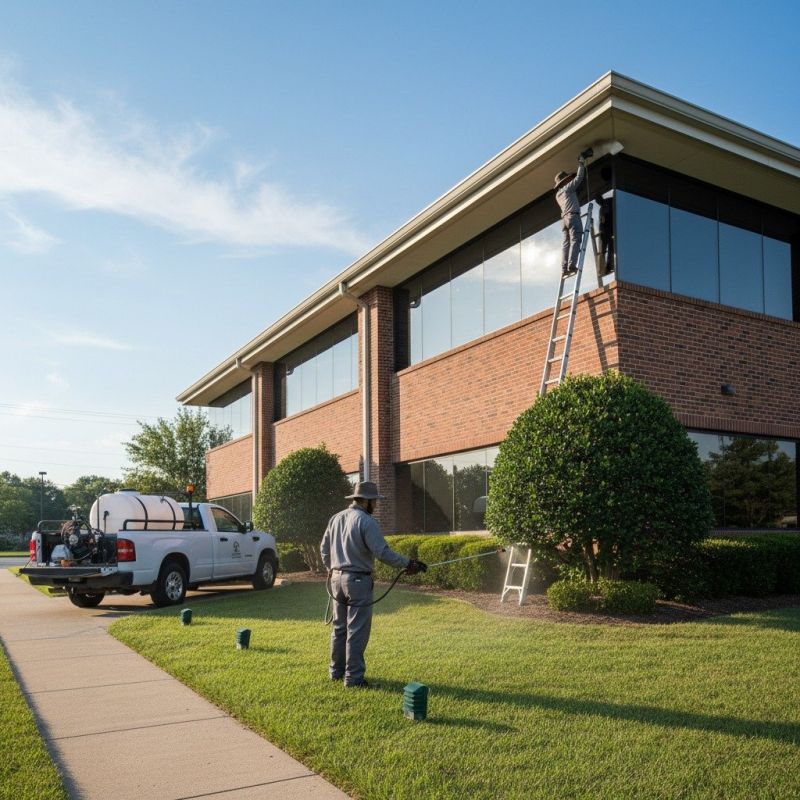
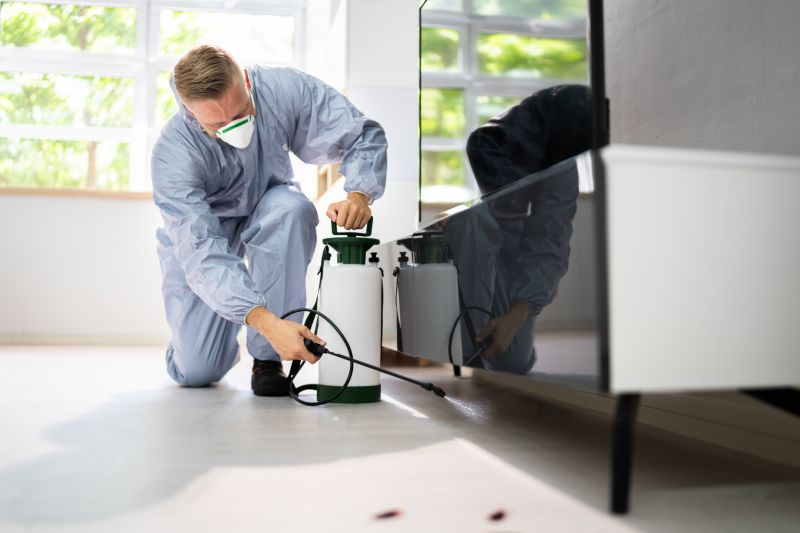
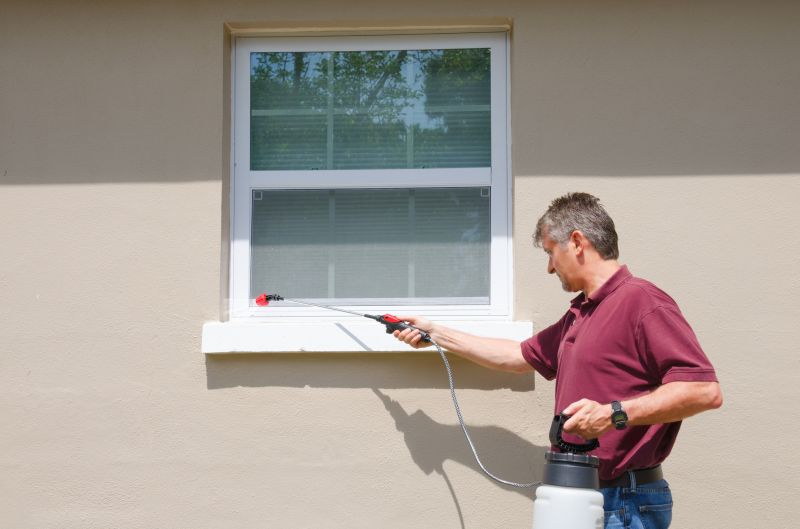
Residential pest control services involve identifying, treating, and preventing the presence of unwanted pests inside and around homes. Service providers typically conduct thorough inspections to locate pest activity and entry points, then apply targeted treatments to eliminate existing infestations. Many residential pest control plans also include preventive measures to reduce the chances of future problems, helping homeowners maintain a pest-free environment. These services are designed to address common household pests efficiently and safely, ensuring that homes remain comfortable and hygienic spaces.
Pest control services help resolve a variety of common problems, including infestations of ants, cockroaches, spiders, silverfish, and other household pests. They are often called upon when homeowners notice signs of pests, such as droppings, damage to food or belongings, or visible insects. In cases of recurring issues or severe infestations, professional treatments can provide a more effective and lasting solution compared to DIY methods. Regular pest control can also prevent issues before they become serious, especially in areas prone to pest activity due to climate or nearby vegetation.
These services are typically used in a wide range of residential properties, from single-family homes and townhouses to multi-unit apartment complexes. Homes with yards, gardens, or nearby wooded areas may be more susceptible to pest visits and often benefit from ongoing pest management plans. Additionally, properties that have experienced previous pest problems or are located in regions with high pest activity are more likely to seek regular professional treatments. Regardless of property type, local service providers can tailor pest control solutions to meet the specific needs of each home.
Homeowners often turn to residential pest control services when they want to protect their living spaces from pests that can cause damage or health concerns. Pests like termites can threaten the structural integrity of a home, while others such as rodents or cockroaches may pose health risks through contamination. Recognizing early signs of pest activity and enlisting the help of experienced local contractors can help prevent infestations from escalating. Contacting a professional can provide peace of mind and ensure that pest problems are addressed effectively, keeping homes safe and comfortable.
The overview below groups typical Residential Pest Control projects into broad ranges so you can see how smaller, mid-sized, and larger jobs often compare in your area.
In many markets, a large share of routine jobs stays in the lower and middle ranges, while only a smaller percentage of projects moves into the highest bands when the work is more complex or site conditions are harder than average.
Smaller Repairs - Typical costs for routine pest control treatments in residential settings range from $250 to $600. Many common jobs, such as termite or ant treatments, land within this range, though prices can vary based on property size and pest type.
Initial Inspection - A standard home inspection for pest issues usually costs between $150 and $300. This fee covers assessment and identification of pest problems, with some providers offering free inspections for certain services.
Full-Service Treatments - Comprehensive pest control solutions for larger infestations or multiple pests often fall between $600 and $1,200. Many projects in this range involve ongoing treatments or combined pest management strategies.
Full Replacement or Extensive Projects - Larger or more complex pest control projects, such as complete termite barrier installations, can reach $2,500 or more. These higher-tier costs are less common but are necessary for severe infestations or extensive property treatments.
Actual totals will depend on details like access to the work area, the scope of the project, and the materials selected, so use these as general starting points rather than exact figures.
Termite Treatment Projects - local contractors often handle termite inspections and treatments, requiring similar planning and pest management techniques used in residential pest control.
Rodent Exclusion Services - specialists focus on identifying entry points and sealing gaps, skills that are essential in comprehensive pest prevention for homes.
Mosquito Control Programs - these projects involve applying targeted treatments and understanding breeding sites, aligning with pest control methods for residential areas.
Spider and Insect Barrier Treatments - applying barrier sprays and monitoring pest activity are common tasks shared with residential pest control services.
Wildlife Removal Services - removing animals like raccoons or squirrels from homes requires planning, trapping, and exclusion techniques similar to pest management.
Bed Bug Treatment Projects - local service providers often use specialized methods to eliminate bed bugs, involving detailed inspection and targeted treatments similar to pest control work.
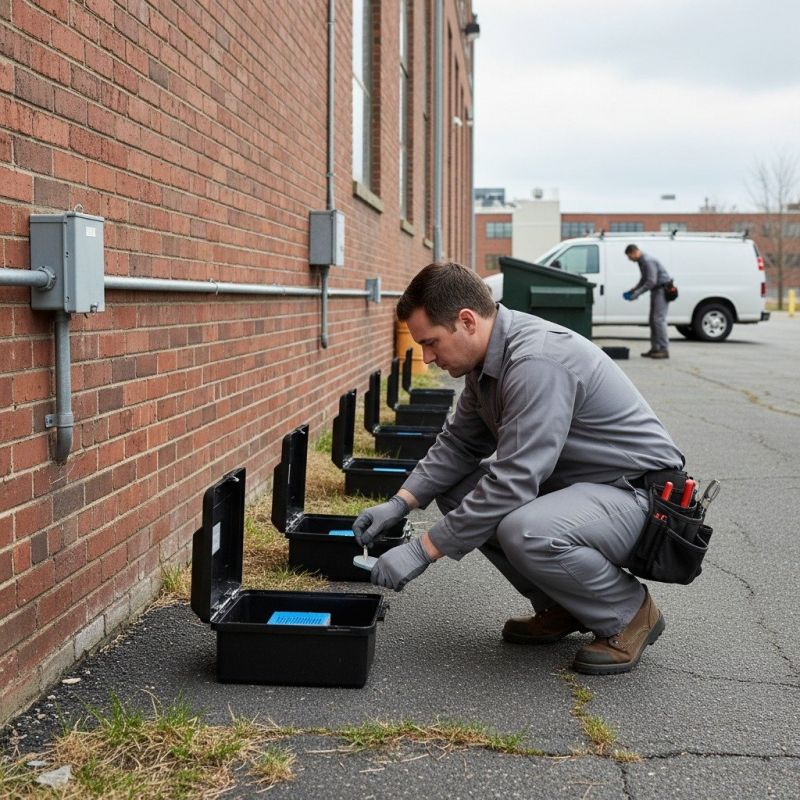
When comparing residential pest control service providers, it’s important to consider their experience with similar projects. Homeowners should look for local contractors who have a history of successfully handling pest issues comparable to their own, whether it’s dealing with termites, rodents, or other common pests. An experienced professional will be familiar with the specific challenges of local environments and pests, which can contribute to more effective and targeted solutions. Gathering information about a provider’s background with comparable projects can help ensure that they have the practical knowledge needed to address the situation efficiently.
Clear, written expectations are essential when selecting a pest control service provider. Homeowners should seek out local contractors who provide detailed descriptions of their services, including the methods used and what the client can expect during and after treatment. Having this information in writing helps prevent misunderstandings and ensures that both parties are aligned on the scope of work. It’s also beneficial to ask for reputable references or reviews from previous customers, as these can offer insights into the quality of service and reliability of the contractor.
Effective communication plays a key role in a successful pest control experience. Homeowners should prioritize local service providers who are responsive, transparent, and willing to answer questions thoroughly. Good communication ensures that concerns are addressed promptly and that the homeowner feels informed throughout the process. Since the website introduces people to local options rather than performing the work itself, it’s important to contact the chosen service provider directly to discuss specific needs, verify their experience, and confirm that expectations are clear before proceeding.
Property owners use Residential Pest Control services for practical projects around their homes and businesses. This guide focuses on everyday jobs and straightforward project options.
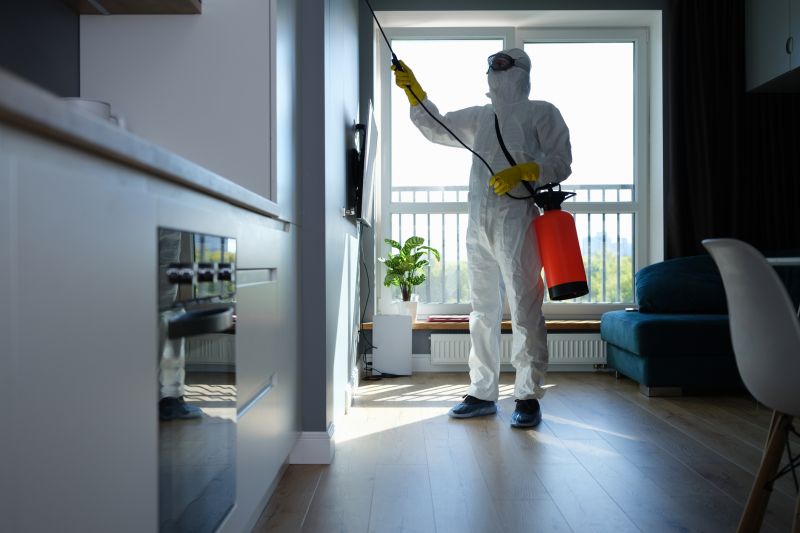
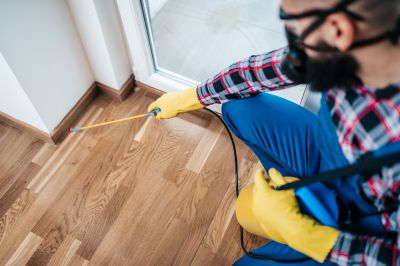
Residential pest control services are often needed when property owners notice signs of unwanted insects or rodents inside their homes, such as droppings, damage, or nests. Common situations include dealing with persistent ant trails, spider webs in corners, or mice scurrying through the basement. Local contractors can provide targeted solutions to eliminate these pests and help maintain a clean, comfortable living environment.
Homeowners may seek pest control services when preparing for seasonal changes or after noticing an increase in pests around the property. Factors like food storage, clutter, or nearby landscaping can attract pests that eventually find their way indoors. Service providers in the area are equipped to address these issues, offering treatments and advice to prevent future infestations.
What types of pests do residential pest control services target? Local service providers typically handle common household pests such as ants, spiders, cockroaches, termites, bed bugs, and rodents to help keep homes pest-free.
Are residential pest control treatments safe for children and pets? Many local contractors use treatments that are considered safe for homes with children and pets, but it’s best to discuss specific concerns with the service provider beforehand.
How often should pest control treatments be scheduled for residential properties? The frequency of treatments depends on the pest problem and the property’s needs; local pros can recommend an appropriate schedule based on the situation.
What steps do pest control services typically take during a treatment? Service providers usually inspect the property, identify pest issues, apply targeted treatments, and provide advice on prevention measures to help maintain a pest-free home.
Can residential pest control services handle infestations in hard-to-reach areas? Yes, experienced local contractors are equipped to treat areas such as wall voids, attics, crawl spaces, and other difficult spots to effectively address infestations.
Preventative Pest Control - Regular services can help property owners keep pests from establishing a presence around their homes or businesses.
Termite Inspection and Treatment - Homeowners can identify and address termite activity early to protect the structural integrity of their property.
Rodent Control Solutions - Property owners can manage rodent issues in attics, basements, or crawl spaces to maintain a clean and safe environment.
Bug and Insect Management - Local contractors can help reduce common household pests like ants, spiders, and roaches for more comfortable living spaces.
If you are thinking about Residential Pest Control for a property, this guide is meant to help you understand the work, the typical project types, and how different options might fit your plans.
When you are ready, you can use the quote form on this page to share a few details about your project. From there, local pros can review the basics and respond with options that match what you have in mind.